
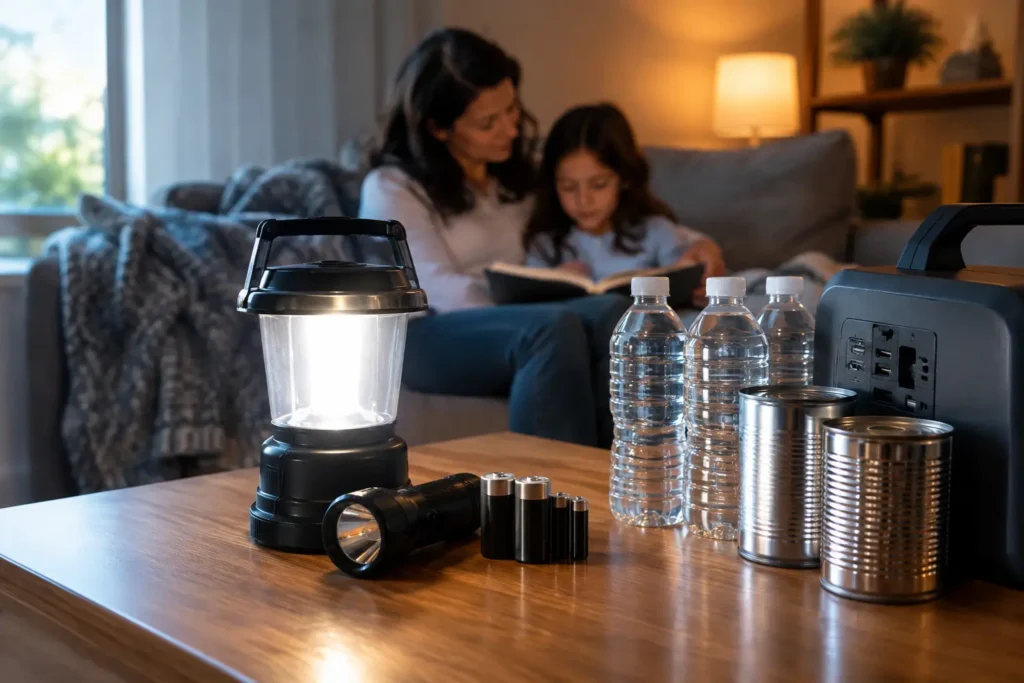
Power outages are not a matter of if but when. This guide explains how to prepare your home, protect your equipment, and recover quickly when the power goes out.
Why Outages Happen in Northern Virginia
Summer storms, ice, and high winds all cause outages in Northern Virginia. A tree limb on a line, a failed transformer, or a substation problem can leave a neighborhood dark for hours or days. A layered plan keeps the essentials running and protects your equipment from the surge that often follows restoration.
The First Line of Defense: Your Electrical Panel
Start with the panel. An aging panel, loose connections, or an undersized service make an outage worse and slow recovery. A licensed electrician should inspect the panel and service before you invest in backup power. A panel upgrade is often the foundation for a more resilient home, and it also supports EV charging, heat pumps, and smart home equipment.
Surge Protection: Guarding Against the Return of Power
When power returns after an outage, the surge can damage sensitive electronics, appliances, and smart home equipment. Whole-home surge protection is installed at the panel and guards the entire home’s electrical system. It is one of the most cost-effective ways to protect your home from outage-related damage.
Portable Generators: A Practical Backup
Portable generators are a practical option for homeowners who need backup power for essential circuits but do not want a permanent standby system. A portable generator can power refrigeration, lighting, internet, and limited heating or cooling during a short outage. A manual transfer switch connects the generator to the home’s circuits safely, preventing backfeed into the utility grid.
The limitation is capacity and convenience. A portable generator typically cannot support an entire home, and it requires the homeowner to be present to set it up and refuel it.
Standby Generators: Whole-Home Coverage
A standby generator is permanently installed and starts automatically when an outage is detected. It can run for an extended period as long as fuel is available, making it a strong option for homes that need reliable power through multi-day outages. An automatic transfer switch isolates the home from the grid and restores power within seconds.
Load Management During an Outage
Not every circuit needs power during an outage. Load management prioritizes critical circuits and sheds non-essential loads, ensuring that the generator operates within its capacity. Essential circuits typically include HVAC, refrigeration, lighting, outlets, internet, security, and well equipment.
What to Do Before, During, and After an Outage
- Before: Keep the panel and transfer switch accessible. Test the generator and keep fuel on hand. Know which circuits are on backup power.
- During: Use the generator safely and avoid overloading it. Keep the refrigerator closed and avoid opening the freezer.
- After: Inspect the panel and equipment for damage. Test the generator and schedule a service if needed.
A Smart Outage Checklist
- Test your generator monthly and keep fuel on hand.
- Keep a flashlight, batteries, and a first-aid kit accessible.
- Know which circuits are on backup power and which are not.
- Keep the panel and transfer switch accessible for the electrician.
- Consider a panel upgrade if the panel is older or lacks capacity.
Frequently Asked Questions
What should I do when the power goes out?
First, check whether the outage is limited to your home or affects the neighborhood. If it is your home only, check the panel for a tripped breaker. If the outage is widespread, follow your generator plan and avoid overloading the system.
Can a portable generator power my whole house?
A portable generator can power essential circuits, but it typically cannot support an entire home. A standby generator is the better choice for whole-home coverage.
Do I need a transfer switch?
Yes. A transfer switch safely connects a generator to your home’s electrical system and prevents backfeed into the utility grid.
What is whole-home surge protection?
Whole-home surge protection is installed at the panel and guards the entire home’s electrical system from power surges, including the surge that often follows an outage.
How can I prepare for a power outage?
Start with a panel inspection and a load calculation. A licensed electrician can design a backup power plan that includes a generator, a transfer switch, and whole-home surge protection.